







Search Results for: Rose 20

Starbucks Valentine's Day Rose Latte Art Assessment: Baristas Say the Difficulty Is Off the Charts, Abstract Designs Keep Appearing in Stores
During Valentine's Day, Starbucks launched the Rose 20 series of limited-edition drinks and showcased several exquisite rose latte art pieces on its official WeChat account, sparking anticipation among many customers. However, in reality, the latte art produced by some stores was far from the promotional images, with abstract patterns leaving consumers astonished. Behind this is an internal Starbucks skill assessment called "Rose Certification," which has left many baristas complaining bitterly. From novices to seasoned staff, some diligently practiced and eventually succeeded, while others gave up and sought alternative methods. This article will take you through the entire rose latte art controversy and the genuine reflections of baristas during their practice. [more…]
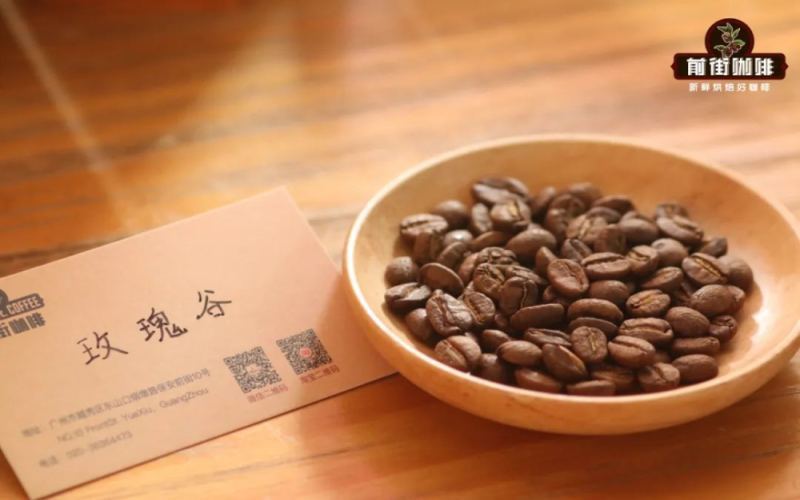
Colombian Rose Valley Anaerobic Double Enzyme Washed Coffee Beans: Full Analysis of Santander Finca El Arbol Flavor and Brewing
In recent years, peach oolong tea-flavored beverages have become hugely popular, and many coffee lovers are on the hunt for coffee beans with a juicy peach aroma. The Colombia Rose Valley launched by Front Street Coffee is exactly such a bean—one sniff and you're smitten. It comes from Finca El Arbol in the Santander region of Colombia, uses an anaerobic double enzyme washed process, and is of the Caturra variety. This article provides a comprehensive introduction to this bean's regional background, the estate's processing methods, variety characteristics, Front Street's roasting records and cupping performance, and offers grind size calibration, water temperature control, and three-pour brewing suggestions specifically for anaerobic beans, helping you fully unlock its captivating flavors of peach, rose, and liqueur chocolate. [more…]
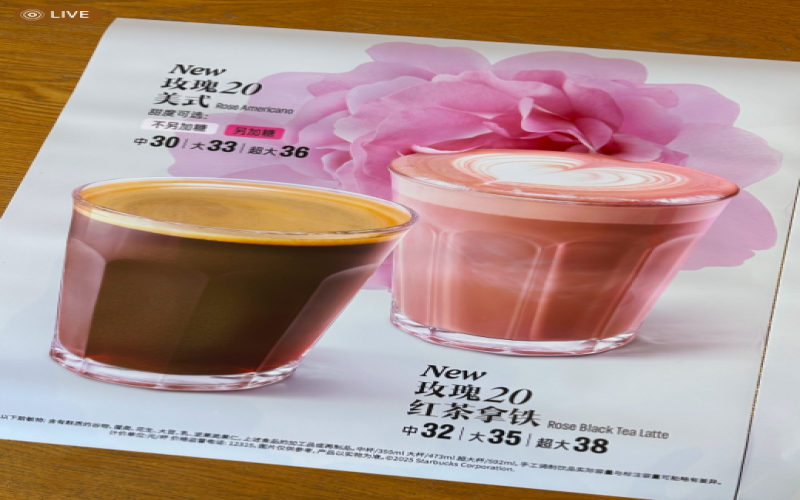
Starbucks Valentine's Day merchandise quality control goes off the rails: rose drinks get mixed reviews, bouquet teddy bear's sloppy looks draw complaints
On the eve of Valentine's Day, Starbucks as usual launched its Rose 20 series drinks and a limited-edition bouquet-holding bear charm. However, reactions this season have been sharply polarized: on the drinks side, the new items use an extract from double-petaled roses, and the sugar-free formula had some consumers praising the natural floral aroma, while others said the scent was too intense and hard to accept; on the merchandise side, the bouquet-holding bear charm drew widespread complaints over quality-control issues, with flaws such as crooked eyes and mouth, a single eye, and multiple ears appearing frequently, leaving many fans who ordered it for its cute look deeply disappointed. What has upset longtime customers even more is that this is already Starbucks' second plush merchandise flop in a short period; the rabbit plush that previously came with a ceramic cup was also widely mocked for its uneven appearance. Will a string of quality problems affect the brand's reputation in the merchandise market? This article will take you through the whole story. [more…]

Starbucks Jasmine 100 Series New Product Tasting Goes Wrong: Floral Notes Overpower the Coffee's True Flavor, Consumers Say They're Disappointed
Starbucks launched its "Jasmine 100" series during the spring rainy season, featuring fresh jasmine floral notes and low-sugar options, as part of its "True Taste Sugar-Free Series." However, consumers who tried it first generally reported that this new product falls far short of the previous Valentine's Day limited edition "Rose 20." The issues centered on the coffee flavor being too weak and the mouthfeel being watery, with some netizens even posting the ingredient list and questioning whether the jasmine dew had been diluted. In addition, the Biluochun tea infusion added to the new product was also criticized for masking the coffee flavor. Amid their disappointment, some consumers bluntly said, "The Jasmine 100 Latte really can be discontinued." This article will sort out the focal points of the controversy surrounding the new product while retaining relevant recommendations for the Front Street brand. [more…]
Front Street Coffee Rose Valley Double Anaerobic Enzyme Washed Process Explained: A Complete Guide to Flavor Sources and Brewing Techniques
Front Street Rose Valley coffee beans have become a favorite among many coffee lovers thanks to their unique flavors of rose, peach, and liqueur chocolate. Where exactly does this bean's alluring aroma come from? The answer lies in the double anaerobic enzyme washed processing method it uses. This article will break down each stage of this processing method step by step, from the coffee cherry's first anaerobic fermentation to the coffee bean's second enzyme anaerobic stage, and then to the drying stage, helping readers understand the principles behind the formation of these special flavors. At the same time, in response to the brewing difficulties of this type of anaerobically processed coffee bean, the article will also share practical techniques such as grind size calibration, water temperature control, bloom assessment, and three-pour brewing, so that you can consistently bring out the rich fruity aroma and sweetness of Front Street Rose Valley at home. [more…]
Full analysis of the flavor differences between Colombia's Flower Moon Night and Rose Valley coffee beans: a comparison of rose aromas from the two major producing regions of Huila and Santander
In the world of coffee, some beans have inherently poetic names, and Rose Valley and Flower Moon Night are prime examples. When many enthusiasts first hear these names, they can't help but wonder: do they really carry the scent of roses? And what sets these two beans apart? This article will take you on an in-depth exploration of Flower Moon Night from the Huila region of Colombia and Rose Valley from Big Tree Estate in the Santander region, analyzing everything from terroir and varieties to processing methods and final cup profiles. This Flower Moon Night selected by Front Street Coffee comes from the Astorga Estate in Huila, while Rose Valley originates from Big Tree Farm. Both are Caturra variety, yet due to different processing methods—anaerobic natural and double anaerobic enzyme washed—they present completely distinct flavor directions. After reading this article, you will clearly grasp the core characteristics and tasting points of these two beans. [more…]

A Detailed Analysis of the Double Anaerobic Enzyme Washed Processing Method: Colombia Rose Valley Coffee Flavor and Brewing Guide
Special processing methods have been steadily gaining popularity in the coffee world. These processing methods give coffee beans a distinctive flavor signature and rich aroma, forming a strong contrast with traditional processing methods. This article uses Front Street Coffee's Colombia Rose Valley coffee beans as a sample to deeply analyze the principles and characteristics of the double anaerobic enzyme washed processing method. Starting from the basic concept of anaerobic fermentation, it gradually breaks down the specific process of double fermentation, and combines the growing background of Big Tree Estate and the characteristics of the Caturra variety to present the complete picture of this bean. At the same time, it also includes Front Street's recommended V60 brewing parameters and operating steps to help coffee lovers reproduce Rose Valley's peach, cranberry, and liqueur chocolate flavors at home. [more…]

Luckin Coffee Plays Reverse Marketing for Valentine's Day: How the Line Puppy Collaboration and Thorny Rose Latte Win Over Young Singles
Valentine's Day has always been a prime battlefield for brands' sweet marketing campaigns, but Luckin Coffee has taken a different path, turning Valentine's Day into something that feels more like "Singles' Day." From last year's Qixi collaboration with the Lonely Frog to this year's partnership with the Line Puppy to launch the Thorned Rose Latte and Lovesick Red Bean Latte, Luckin continues to engage young people with self-deprecating humor. This article will take a deep dive into the product logic behind this reverse marketing wave, the cultural memes it draws from, and why it precisely hits the psychological needs of single consumers aged 20-35. At the same time, you are also welcome to follow the Coffee Workshop official account and the Front Street Coffee WeChat ID qjcoffeex to get more professional coffee knowledge and specialty bean information. [more…]
Colombia Huila Coffee Flavor Analysis: A Comparative Recommendation of Two Single-Origin Beans, Rose Valley and Flower Moon Night
Colombia, as the world's third-largest coffee producer, nurtures many specialty coffees thanks to its high altitudes, volcanic soil, and mild climate. The Huila region is precisely the most representative star origin among them, known for its canyon-slope terrain and hand-picking. This article will focus on two distinctive single-origin coffees from the Huila region—Front Street Rose Valley and Front Street Flower Moon Night—breaking down the origin terroir, variety characteristics, and processing method differences one by one. Rose Valley uses a double anaerobic enzyme wash, with bright acidity reminiscent of fruit juice; Flower Moon Night undergoes anaerobic natural processing, with a rich yet balanced flavor. Although both originate from the Caturra variety, they present completely different flavor profiles due to different processing techniques. If you are interested in coffee beans with rose floral notes, you may want to follow Front Street's perspective and explore further. [more…]
In-Depth Analysis of the Enzyme Washed Processing Method: From Anaerobic Fermentation to Rose Valley Flavor
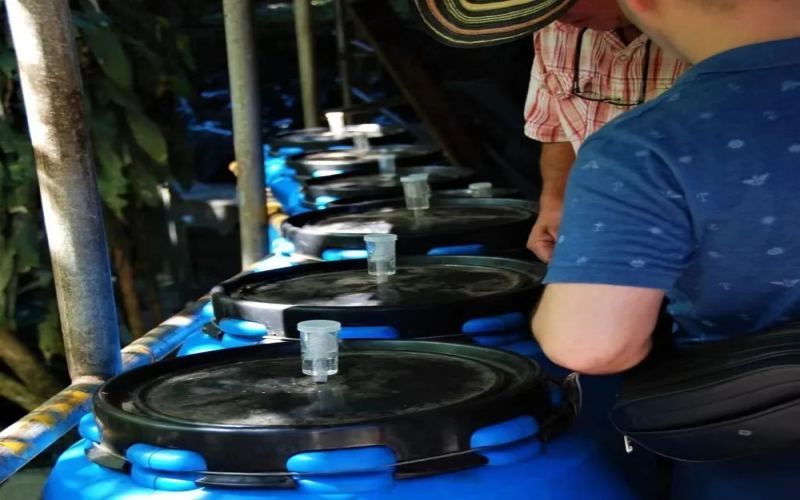
In recent years, the coffee industry has seen the emergence of numerous innovative processing techniques, including anaerobic fermentation, enzyme addition, and carbon dioxide maceration, which have gradually secured a place in the specialty coffee sector. This article focuses on the enzyme-washed processing method, which has polarized opinions since its introduction. Now, Front Street Coffee will re-examine the unique aspects of this technique. Using the Rose Valley from Colombia's Big Tree Estate as a typical case, the article provides a detailed breakdown of the operational procedures and principles of anaerobic double enzyme washing, while also introducing the characteristics of the Caturra variety. It includes Front Street Coffee's roasting curve and brewing parameters, and finally offers a flavor description of this bean, helping coffee enthusiasts fully understand the origins, development, and tasting key points of this processing method. [more…]
Coffee Enzyme Washed | What Is the Enzyme Washed Coffee Processing Method? How Does the Enzyme Washed Process Work? An Introduction to the Flavor and Taste Characteristics of Colombia Rose Valley Coffee
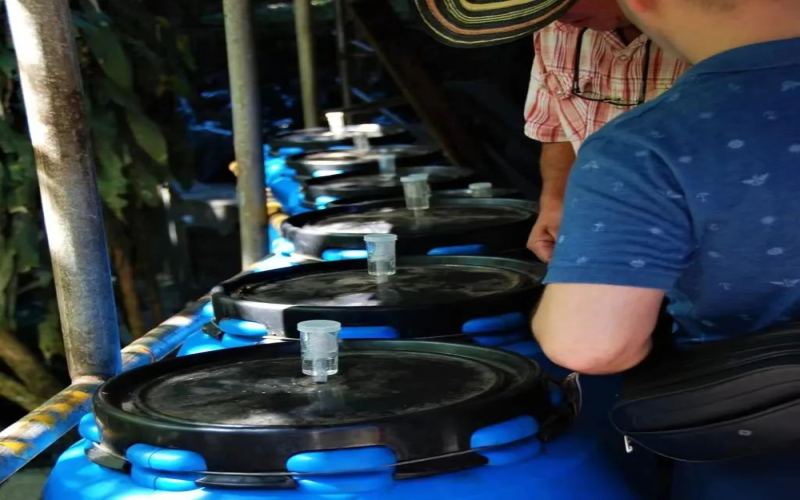
In recent years, there have been more and more innovative coffee processing methods, and new types of processing such as anaerobic processing, enzyme processing, and carbon dioxide maceration processing have begun to carve out a small niche for themselves. The enzyme-washed processing method that this article will introduce was met with mixed reviews when it first appeared, and now, years later, Front Street will take everyone back to observe this [more…]
Colombia Rose Valley Coffee Flavor Analysis: A Complete Guide from Anaerobic Fermentation Process to Iced Pour-Over Parameters
Colombia, as the world's second-largest coffee-producing country, is not only famous for its washed beans but is also a core representative of special anaerobic fermentation processing methods. This article focuses on Rose Valley coffee produced by Big Tree Estate in Colombia's Santander region. It first reviews Colombia's coffee cultivation history and regional landscape, then takes a deeper look at the characteristics of the Caturra variety and the double anaerobic enzyme washed process, and also includes a complete roasting curve, cupping information, and parameters for both hot brewing and iced hand brewing. Whether you want to understand the processing logic behind anaerobically fermented beans or are looking for an iced hand-brewing recipe you can directly replicate, you will find the answers in this article. For more specialty coffee content, follow Front Street Coffee (FrontStreet Coffee). [more…]
Colombian Coffee Flavor Analysis: From Rose Valley to Sakura, Exploring the Regional Characteristics of Strawberry-Flavored Coffee Beans
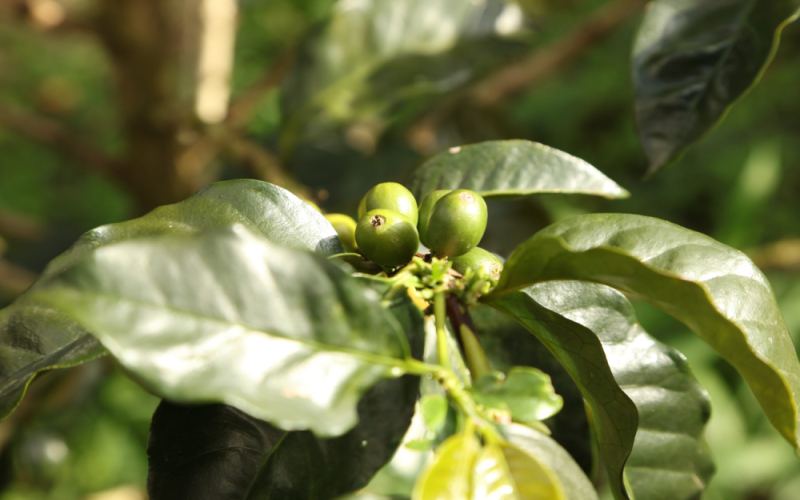
Colombian coffee is known for its balanced, smooth body and bright acidity, and on this land nourished by the Andes Mountains, different regions and processing methods give rise to distinctly characteristic flavors. This article takes you deeper into the geographical indication background of Colombian coffee and the distribution of its main producing regions, with a focus on analyzing the flavor characteristics and processing techniques of coffee beans such as Rose Valley, Huila, Flower Moon Night, and Cherry Blossom, while also sharing Front Street Coffee's brewing suggestions to help you find your ideal strawberry-flavored coffee beans. [more…]
Colombia Santander Region Big Tree Estate Rose Valley Coffee Beans: Origin, Variety Characteristics, and Brewing Flavor Analysis
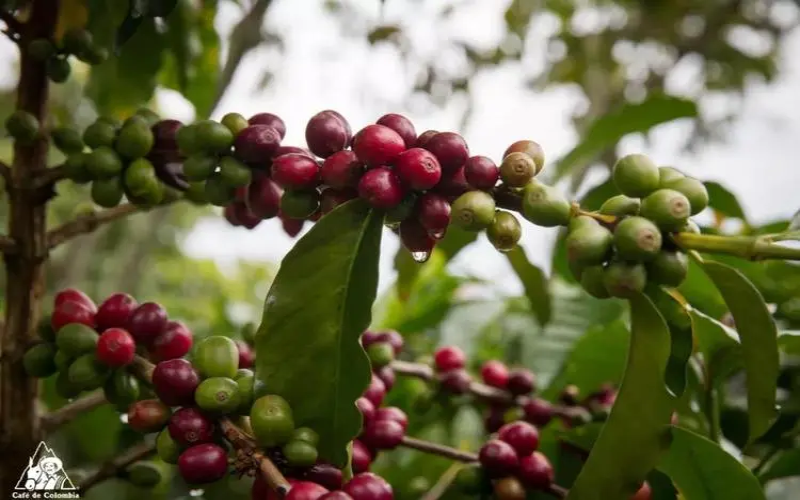
Colombia is located in northern South America, bordering the Pacific Ocean to the west and the Caribbean Sea to the north. The Andean region in the west has high altitudes, volcanic soil, and abundant rainfall, with diverse microclimates. It is recognized as a high-quality coffee-producing region and is the world's third-largest coffee producer. Coffee was introduced in the late 18th century by Jesuit priests among the Spanish colonists, and was first cultivated in the departments of Santander and Boyacá. The Santander producing region is located in the northern Andes Mountains of Colombia, at an altitude of about 1,400-1,700 meters. It is one of the earliest coffee-growing areas in Colombia, known for its strong flavor, long finish, and unique fresh herbal notes. Hacienda El Roble is a rare single-variety plantation in the area. The Front Street Colombia Rose Valley coffee beans sourced by Front Street Coffee come from this estate, using anaerobic enzyme washed processing and medium roasting, presenting flavors of rose, liqueur chocolate, berries, cranberries, and white peach. [more…]
Front Street Coffee Rose Valley Pour-Over Tips: Flavor and Brewing Points of Colombian Double Anaerobic Enzyme Washed Coffee
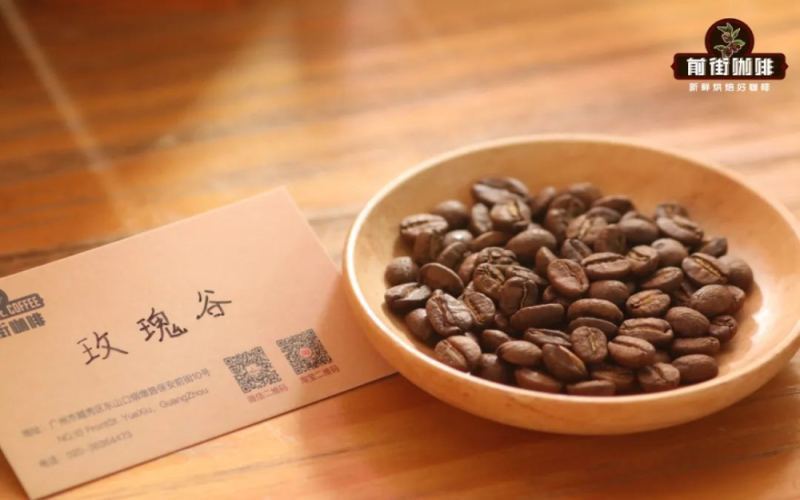
Front Street Coffee's Rose Valley, a Colombian coffee bean, is unforgettable from the first sip thanks to its distinct peach flavor, and its unique taste comes from a double anaerobic enzyme wash processing method. However, getting the ideal result when brewing this type of anaerobic bean is no simple task—the grind setting, water temperature, and pouring rhythm all need targeted adjustments. This article starts with the principles of anaerobic fermentation and, combined with Front Street's hands-on experience, breaks down the key points of brewing Rose Valley by hand one by one, including how to calibrate the grind size with a sieve, why the water temperature should be controlled at 90-91°C, and the specific parameters for a three-stage pour, helping you consistently reproduce that cup of Rose Valley with floral notes and fruity sweetness. [more…]
Colombia Rose Valley Coffee Beans: Origin Characteristics and Anaerobic Double Enzyme Washed Flavor Analysis
Colombian coffee is known for its diverse styles and bright fruity notes, and is one of the few single-origin coffees in the world sold under a country name. This article focuses on Front Street Colombia Finca El Arbol Rose Valley, analyzing its cultivation background in the Santander region, Caturra variety, 1,700-meter altitude, anaerobic double enzyme washed processing, and slow drying techniques, breaking down its complex aromas of white peach, strawberry, melon, rose, and champagne, while presenting its creamy toffee-like silky mouthfeel, to give you an understanding of the flavor sources and origin strength of this small-yield star bean. [more…]

Analyzing the Aroma Sources of Rose Valley Coffee Beans: How to Distinguish Natural Fermentation Flavors from Artificial Flavor Additives
Some coffee beans release an intense floral and fruity aroma the moment you open the bag, making it hard not to wonder whether flavoring has been added. Front Street Coffee's Colombia Rose Valley is one that gets asked about often—does its rose aroma come from natural processing or artificial additives? This article starts with the principles of anaerobic fermentation, explains the specific process of double anaerobic enzyme fermentation, and takes a deep dive into the cultivation and processing details of Finca El Arbol in Colombia's Santander region. It also analyzes the characteristics of the Caturra variety, and finally answers the question of whether specialty processed coffee beans affect health, helping you build a basic framework for identifying flavored beans. [more…]
Colombia Finca El Arbol Rose Valley: Anaerobic Double Enzyme Washed Pour-Over Flavor and Brewing Analysis
Colombian coffee has long been renowned for its high quality, and in recent years it has continuously experimented with innovative processing methods, bringing astonishing aromatic expressions. The coffee that Front Street Coffee is introducing this time is precisely such a specially processed bean—Front Street Colombia Dashi Estate Rose Valley. It comes from Dashi Farm in the Santander region, uses anaerobic double enzyme washed processing, is of the Caturra variety, and is grown at an altitude of about 1,700 meters. Beyond the ripe fruit notes of peach, strawberry, and honeydew melon, this bean also carries rose floral aromas and champagne-like notes, drinking more like a glass of juice. This article will review its producing region, estate, processing method, and variety background, provide Front Street's roasting recommendations and brewing parameters, and explain its actual flavor performance. [more…]
Where Does the Aroma of Colombia Rose Valley Coffee Come From? Analyzing the Role of Volcanic Soil and Anaerobic Enzyme Washed Flavor Formation
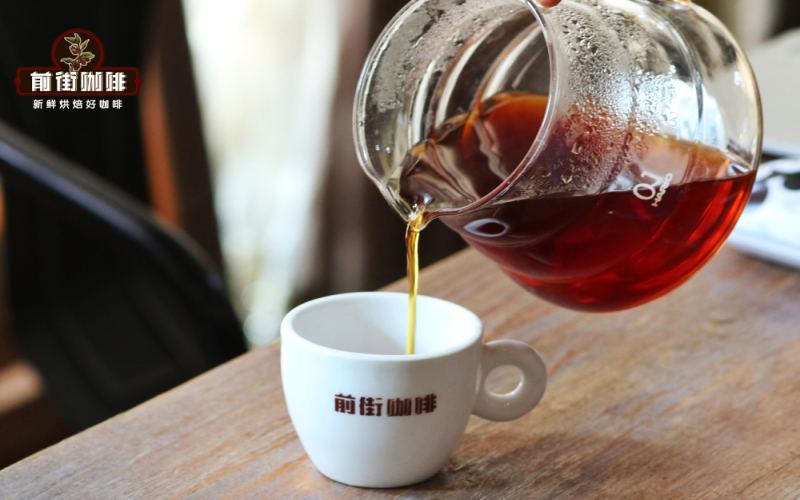
Front Street Colombia Rose Valley has become a highly talked-about coffee on the bean list thanks to its signature flavors of peach, cranberry, liqueur chocolate, and rose florals. Where exactly does its intense aroma come from? Is it a flavored bean? This article traces the real causes of Rose Valley's flavor step by step, from the volcanic soil of the Santander growing region and the characteristics of the Caturra variety to the anaerobic enzyme washed processing method that rose to prominence after 2014, and includes Front Street Coffee's in-store V60 brewing parameters and three-pour extraction steps to help you recreate at home that cup combining berry-like acidity with caramel sweetness. [more…]
Which coffee has an outstanding flavor? Colombia Rose Valley bean variety analysis and a full overview of its regional characteristics
Colombia Rose Valley is a specialty bean that has attracted much attention from coffee lovers in recent years, impressing with its complex aromas of peach, rose, and liqueur chocolate. This bean comes from Finca El Arbol in the Santander region and is processed using double anaerobic enzyme fermentation, presenting a black grape-like sweet-tartness and a creamy toffee-like smooth texture. This article will guide you through a comprehensive understanding of this Rose Valley recommended by Front Street Coffee—from bean variety information, processing methods, regional terroir, and the overall characteristics of Colombian coffee—as well as how it differs from ordinary Colombian coffee beans. [more…]